Ysbrand van der Werf - Professor
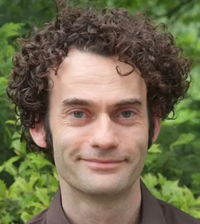
Ysbrand van der Werf is a professor of functional Neuroanatomy and head of the Dept. Anatomy and Neuroscience at Amsterdam UMC. He studied biology and clinical psychology before completing a PhD.
What is your study background?
I completed the bachelor's program in Health and Life Sciences at the Vrije Universiteit Amsterdam, which was a combination of health and biomedical sciences. I chose the clinical track because I always enjoyed the clinical aspects of research. I was uncertain whether it would be better to focus on the biomedical or health sciences paths and I felt like the clinical track allowed me to keep my options somewhat open. Subsequently, I did a neuroscience minor because I had always found the brain fascinating, and I enjoyed it immensely, which led me to the Neuroscience Master's program.
What is your academic background?
What should you look for in PhD projects?
If you’re thinking of doing a PhD, don’t just choose based on the research topic. Make sure the lab or department has the infrastructure and expertise you’ll need. Whether it’s scanning facilities, data pipelines, or clinical access. It’s also helpful to be in an environment with peers who are learning alongside you. That sense of community can make a huge difference.
In my own PhD, I worked in a department that didn’t actually do patient-based research, but I had strong collaborations with other departments that did. That made it work. So think broadly about support, not just in your direct lab, but across the wider network.
What are qualities you are looking for in PhD candidates?
There are a few things I pay attention to when evaluating candidates. Technical skills are important. I personally value coding skills more than neuroanatomy knowledge, as you can more easily teach neuroanatomy but programming takes time and practice. So I like seeing software experience or analytical tools listed on a CV.
Motivation also matters, but it’s harder to judge. I look for genuine interest in the topic, which often comes through in a good motivation letter or in how someone talks about their previous experience. And sometimes, people grow into the role. I’ve worked with students who started with internships, became indispensable in a specific area, and eventually transitioned into a PhD position.
This isn’t just about presentation skills, we’re also looking at logical thinking, creativity, the ability to identify key issues, and whether the candidate brings something new to the table. It gives us a sense of how someone reasons and whether they’ll be able to contribute meaningfully.
What's the biggest misconception about doing research?
Difficult questions, as there’s no single answer to that. For some, the challenge is the blurring of work and life, working weekends or late nights. But that’s not always required. It really depends on the project. What’s more important is knowing why you want to do research in the first place. Some people see science as their ultimate goal, others see it as a phase. There’s not one path and no single way to define success in research.
Do you have advice for someone applying for a job in academia?
It is good to say why you are particularly interested in this project or job. I sometimes get applications from individuals who say: “After I graduated, I tried some other things; however, now I would like to get back into research.” Which is not specific enough. You could have applied for any other job to return to scientific research. I’m looking for a deeper, intrinsic motivation. For example, maybe you have been interested in this topic since you were young, which should also be reflected in your previous experience, or perhaps from a personal situation, like knowing someone with a certain disorder, which sparked your interest. So, my tip would be: specify exactly why you are motivated for this project and, as mentioned earlier, highlight concrete technical experience that fits this project.